


How does LDN help with autoimmunity?
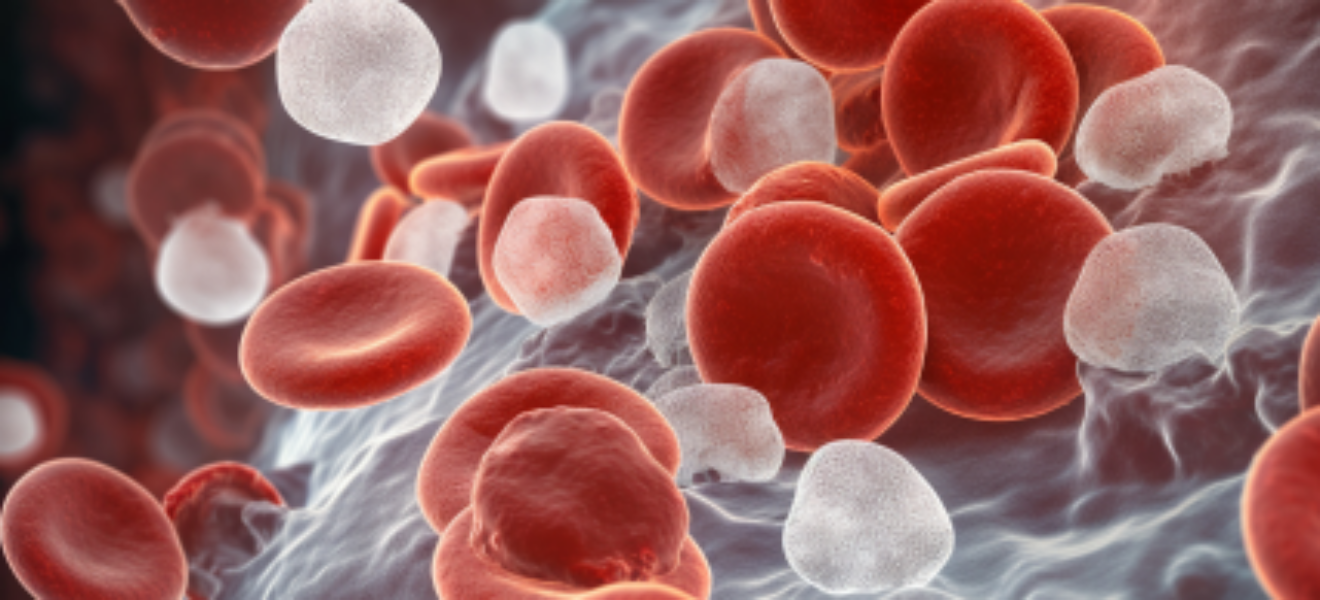
What is autoimmunity?
Autoimmunity is a phenomenon that appears when a body’s immune system attacks the body’s healthy cells, tissues, and organs. Any disorder or disease that occurs due to this phenomenon is characterized as an autoimmune disease, e.g., celiac disease, Hashimoto’s disease, lupus, etc.
Many autoimmune diseases share some common symptoms, including fatigue, skin issues, persistent fever, abdominal pain, joint inflammation, and pain. The main cause of the autoimmune disease is still a mystery. However, certain factors are found to trigger autoimmune conditions, such as stress, anxiety, certain chemicals, and exposure to sunlight. Moreover, studies have shown that genetics can also contribute to autoimmune disease development.
Although there are no specific cures for autoimmune conditions, treatments are devised to stabilize the immune system to restrict disease progression and alleviate its symptoms.
How does low dose naltrexone help with autoimmunity?
Naltrexone is a drug that blocks opioid hormone receptors and helps heroin and opiate addicts to stop using drugs.
However, low dose naltrexone (approximately a dose of 0.5mg to 5mg) has offered immune-modulatory effects that refrain the immune system from attacking the body’s cells. Additionally, there is some research to suggest that it may help in slowing the development of autoimmune diseases and relieving inflammation and pain. Further, an obvious reduction in fatigue and overall improvement in health has been observed due to low dose naltrexone (LDN).
How does it work?
Low dose naltrexone, possibly benefits the immune system-related conditions by optimizing the following mechanisms:
- Stimulates T-regulatory cell functions
- T regulatory cells are key players in the immune system. They keep balance in immune system activities and help turn off and on inflammation when required.
- LDN promotes Treg cell function and may help patients with an overactive immune system, like people with autoimmune diseases such as Hashimoto’s disease.
- Provisionally impede opioid receptors in the brain
- As a pure inhibitor, low dose naltrexone helps retain a healthy and balanced immune system without exerting any repressing or narcotic effects.
- LDN binds to opioid receptors present in white blood cells. These cells are abundant in the body. They are found in the peripheral and central nervous system and gastrointestinal tract etc.
- When receptors are temporarily blocked by LDN, the brain is deceived into thinking that the body requires more endorphins. By the time low dose naltrexone completes its task and makes its way out of the system, receptors are freed, and there is a natural surge of endorphins.
- Block receptors on microglial cells
- Microglial cells are found in the central nervous system. They are responsible for inflammation, fatigue, mood disorders, sleeplessness, pain sensitivity, and cognitive problems.
- LDN may effectively obstruct the receptors on the microglial cells and impede their activation to reduce inflammation and pain and an extensive cascade of symptoms linked with autoimmune conditions.
LDN benefits
Several studies have shown the effectiveness of low dose naltrexone in fighting inflammation, lowering pain, and treating other signs and symptoms of many autoimmune conditions. Some clinicians use LDN for varying autoimmune conditions involving inflammation such as:
- Fibromyalgia
- Chronic Fatigue Syndrome
- Hashimoto’s disease
- Lupus symptoms
- Rheumatoid Arthritis
- Psoriasis
- Ulcerative Colitis
- Chronic Fatigue Syndrome
- Celiac disease
- Neurodegenerative disorders (e.g., Parkinson’s and Alzheimer’s disease)
LDN side effects
The side effects of low dose naltrexone are minimal. Studies have shown that LDN does not exert any harmful or adverse impact on patient health and is not addictive.

Fibromyalgia
Do you feel pain all over your body and feel tired all the time? You might be struggling with fibromyalgia, a multifactorial disorder. There are no sp